
South Africa’s democracy must be lived beyond just election day
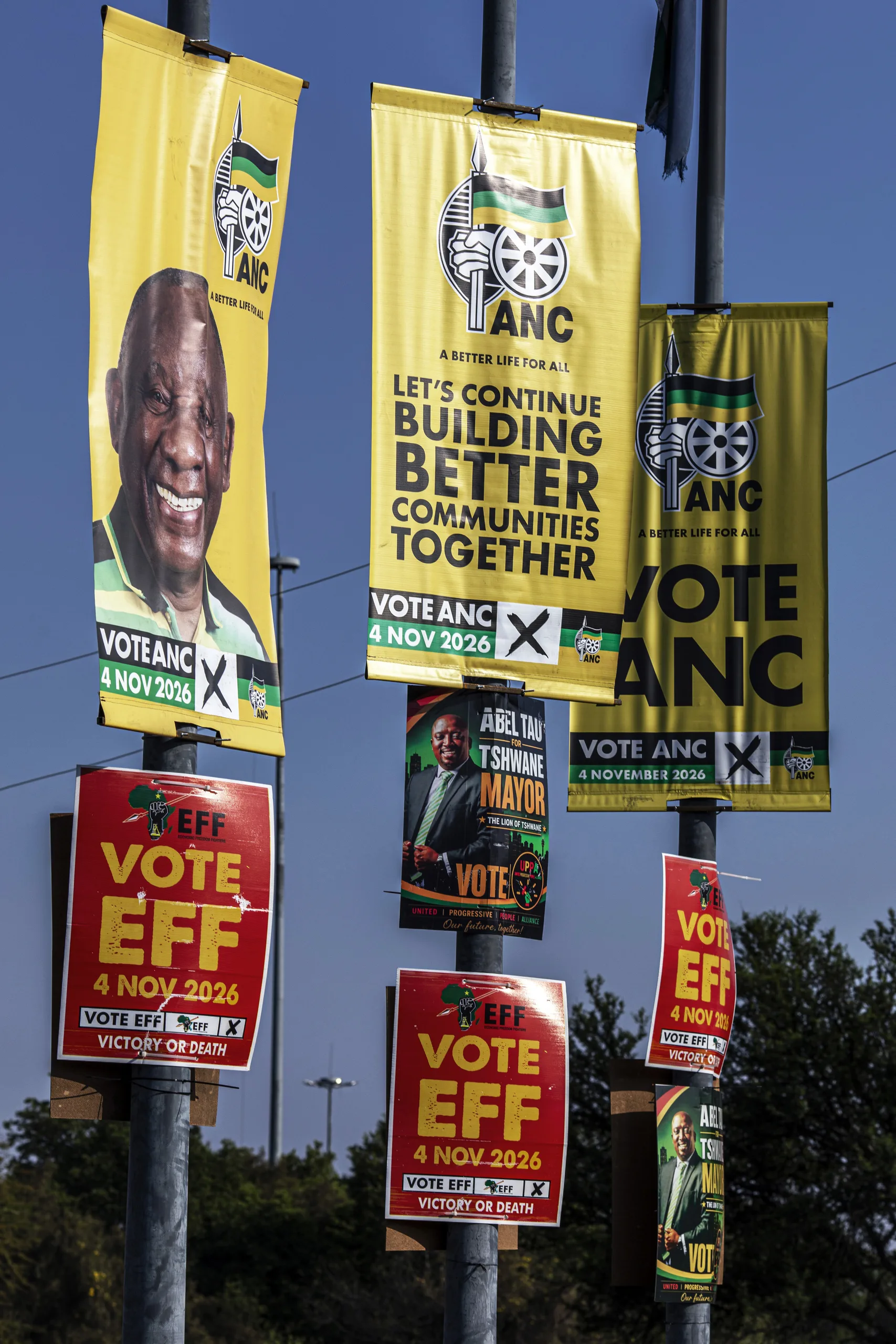
As South Africa gears up for the upcoming local government elections, the mood across our townships, informal settlements, and metros is a volatile mix of deep-seated grievance and profound fatigue. For too many citizens, democracy has felt like a distant promise, observed only in glossy campaign posters every five years. Yet, while casting a vote is vital, true civic power cannot end when the ink dries on your thumb. Voting is just day one. At the heart of this election lies the inescapable plight of those living in grinding poverty. Years of institutional decay have hit society's most vulnerable the hardest, turning basic survival into a daily hurdle. When taps run dry, uncollected refuse piles up, and roads disintegrate into craters, it is the poor who bear the brunt, stripped of dignity by municipal dysfunction. Compounding this crisis is the cancer of corruption. With only a fraction of our municipalities achieving clean audits and billions syphoned away or owed to bulk suppliers, public funds meant for community upliftment are routinely stolen or mismanaged. Corruption starves local economies, directly killing the jobs our youth desperately need. With unemployment hovering at devastating highs, local councils must be held to account daily, not just at the ballot box, to ensure they pivot from patronage networks to engines of economic inclusion. Furthermore, while education is a national priority, its foundation relies on safe local spaces. Children cannot study in communities plagued by raw sewage spills, unsafe streets, and unlit neighbourhoods. Local government provides the canvas upon which human development is painted, requiring continuous community oversight. Service delivery is a matter of human dignity, not political football. On election day, citizens hold the power to reset leadership, but our job doesn't end there. True democracy demands active citizenship: attending council meetings, demanding transparent budgets, and relentlessly calling out incompetence every single day. Use your vote to mark a start, not an end, and reclaim your community.
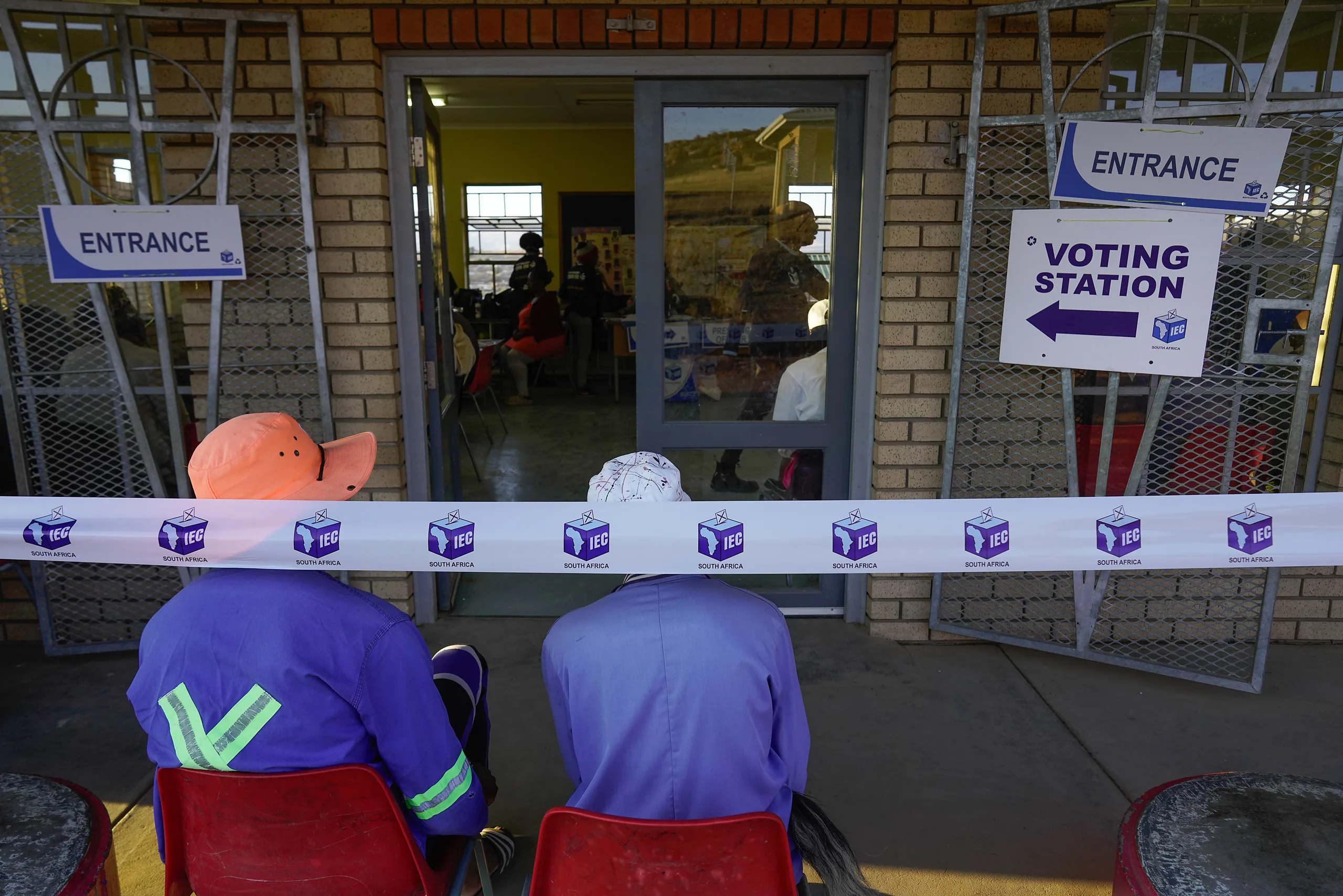
Battleground metros to watch
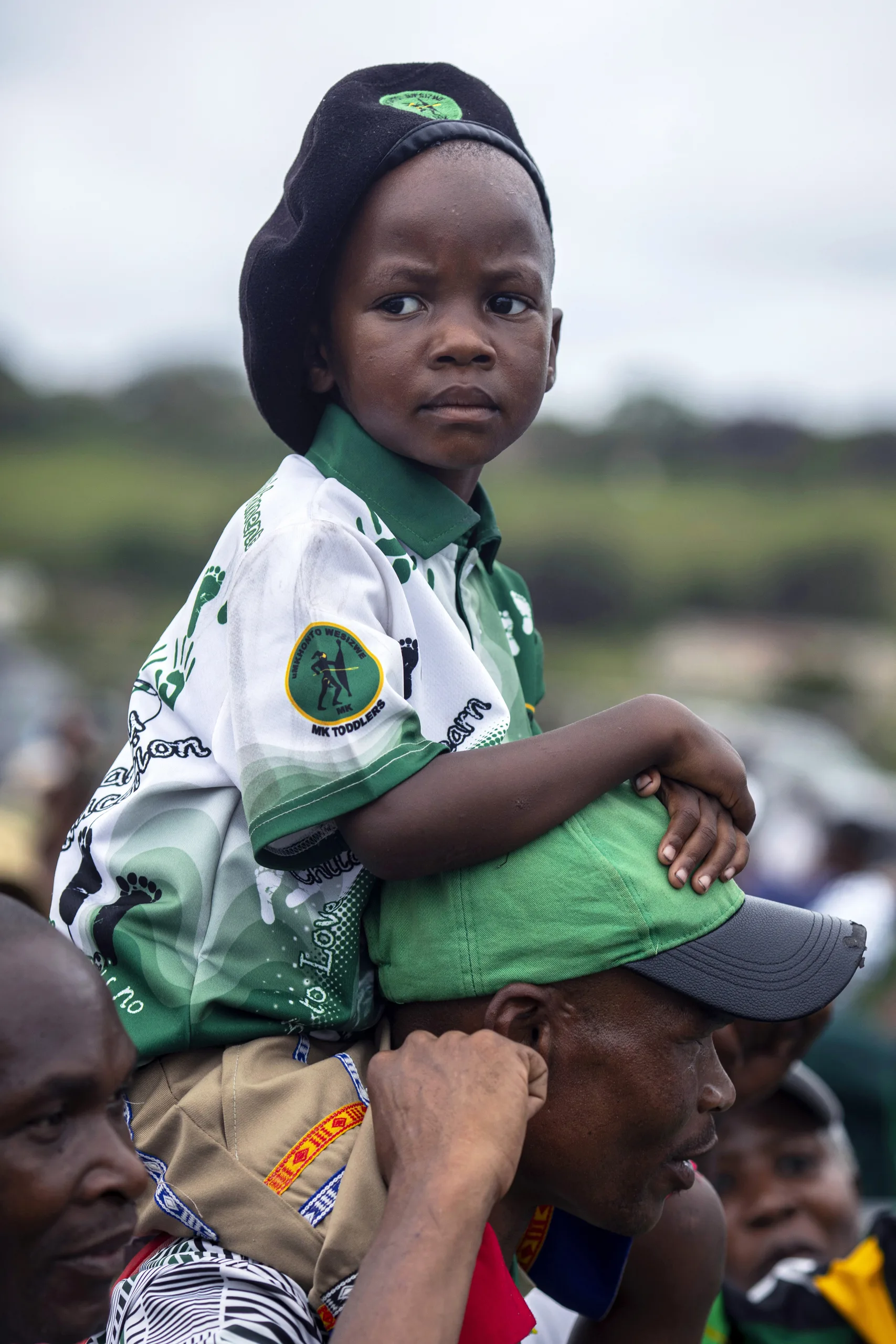
Held every five years, the elections will be an important gauge of the political landscape ahead of the 2029 national vote, with support for the African National Congress (ANC), Nelson Mandela’s former liberation movement, continuing to erode.
Recounts and Objections
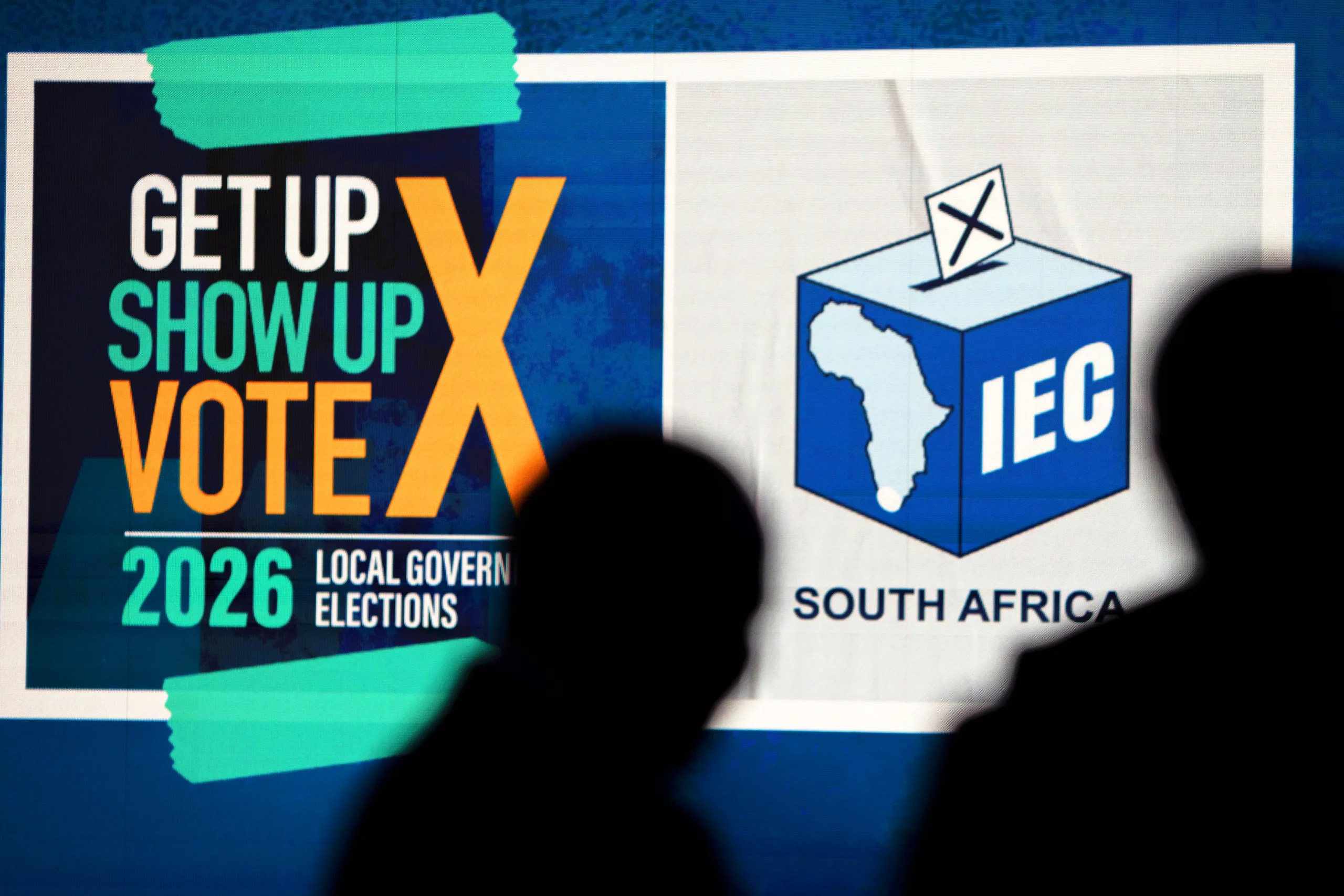
Errors in vote counting, alleged electoral misconduct and disputes over election results can be challenged through procedures set out in South African law. The Electoral Commission of South Africa (IEC) outlines these processes under the Local Government: Municipal Electoral Act 27 of 2000, which governs objections and recounts during municipal elections. With the 2026 Local Government Elections approaching, understanding who can lodge an objection, the grounds for doing so and the deadlines involved is essential for candidates, political parties and other interested parties seeking to challenge alleged irregularities. But how exactly do recounts and objections work? Where must concerns be submitted, and who decides whether an election result should be changed?
When will election results become official?
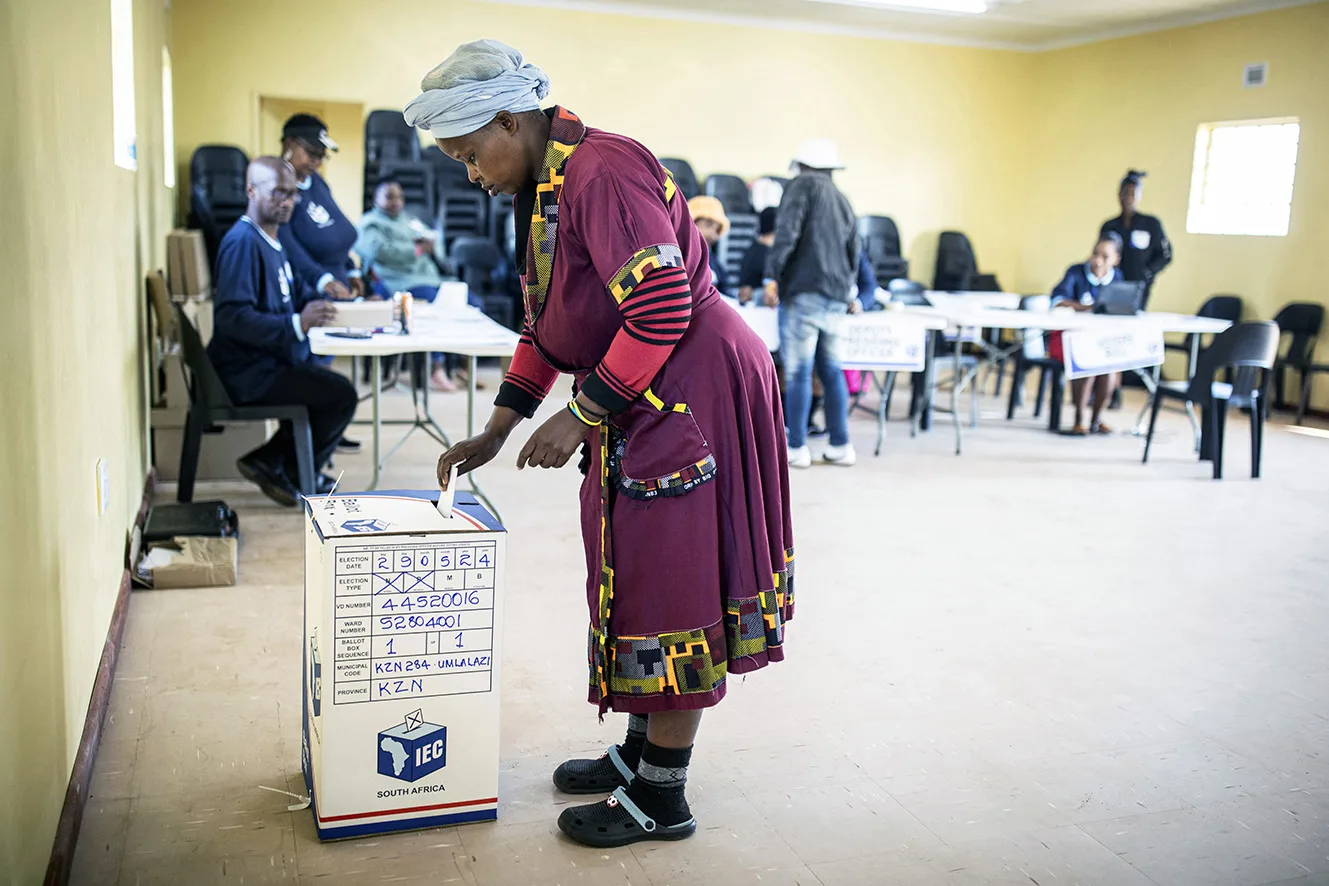
South Africans will begin following emerging results from the 2026 Local Government Elections on voting day, Wednesday, 4 November, but the official outcome will only be confirmed once the Independent Electoral Commission (IEC) has completed the required processes and formally declared the results. The distinction between preliminary figures and formally declared results is important as voters, political parties and communities await the outcome of elections that will determine representation in municipalities across the country. The IEC’s election results dashboard provides a platform for the public to follow results as they are processed. According to the commission’s official results website, live results are updated every five to 10 minutes after voting stations close, as results become available. After voting ends, electoral officials count the ballots, reconcile the totals and complete results slips. These results are then transmitted for capturing into the IEC’s results system.

 Scrollytelling